
Hiking Sipi Falls Uganda
The Ultimate Hike to Uganda’s Triple Cascades
Planning your Sipi Falls Hike:
Routes, Prices & Local Secrets
Welcome to the Eden of Uganda. Sipi Falls is not just a destination; it is a series of three distinct thundering waterfalls, lush coffee plantations, and panoramic cliff-side trails.
Whether you are looking for a gentle morning walk or a challenging “Upper Loop” to prepare your legs for Mt. Elgon, we have designed the perfect route for you.
The Mighty Sipi Falls
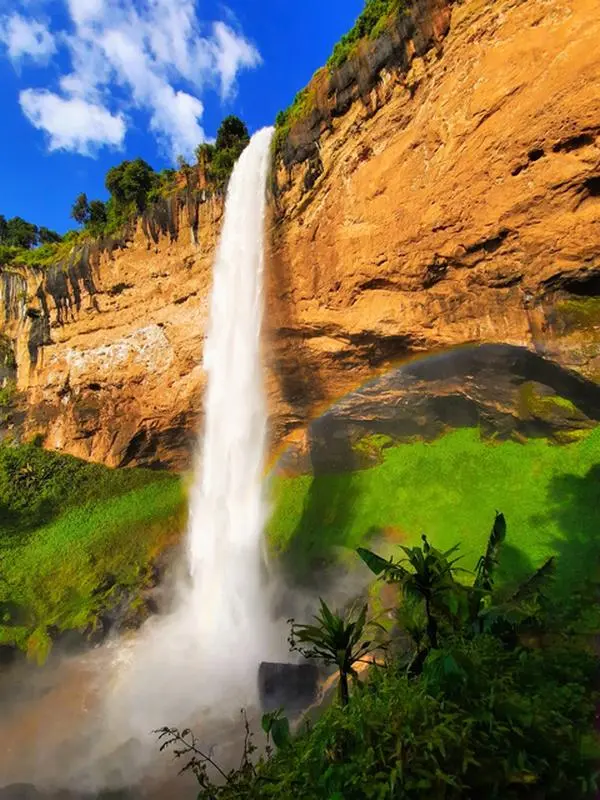
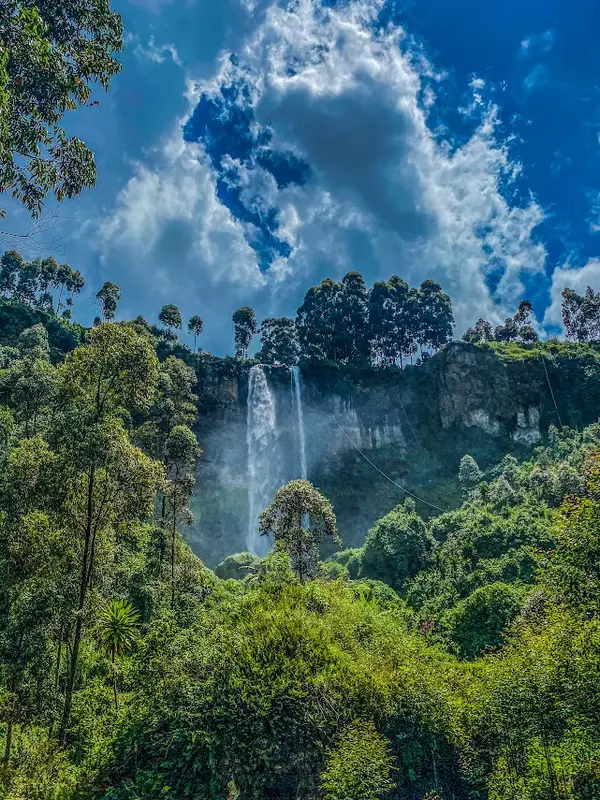
1. The Main Fall (100m) – “The Icon”
The longest and most famous of the three, this waterfall is featured on the Uganda 10,000 Shilling note. It is the easiest to reach and provides a thunderous, misty atmosphere that you can feel in your chest.
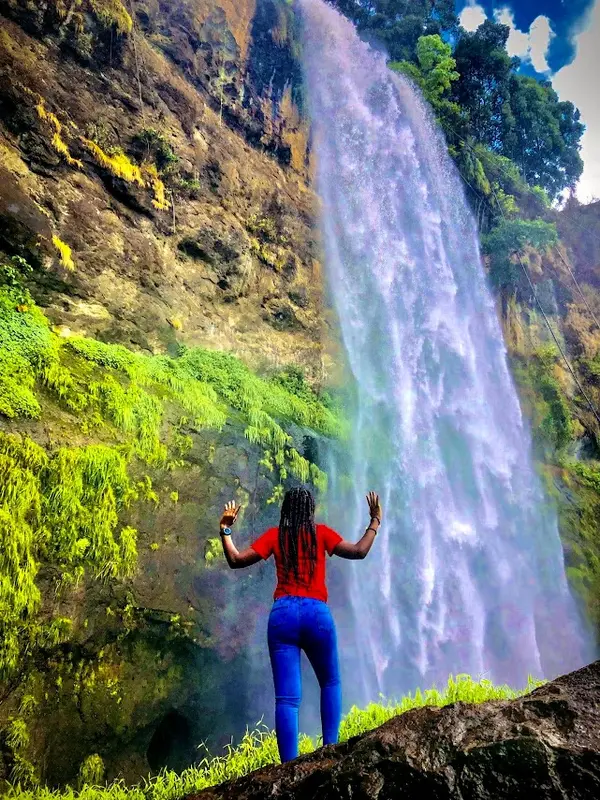
- Highlight: Standing at the base to feel the “healing mist” and hearing the roar that echoes through the Sipi Gorge.
2. The Middle Fall (75m) – “The Sandwich”
Tucked away between community farms and a small jungle, the middle fall is a hidden favorite.
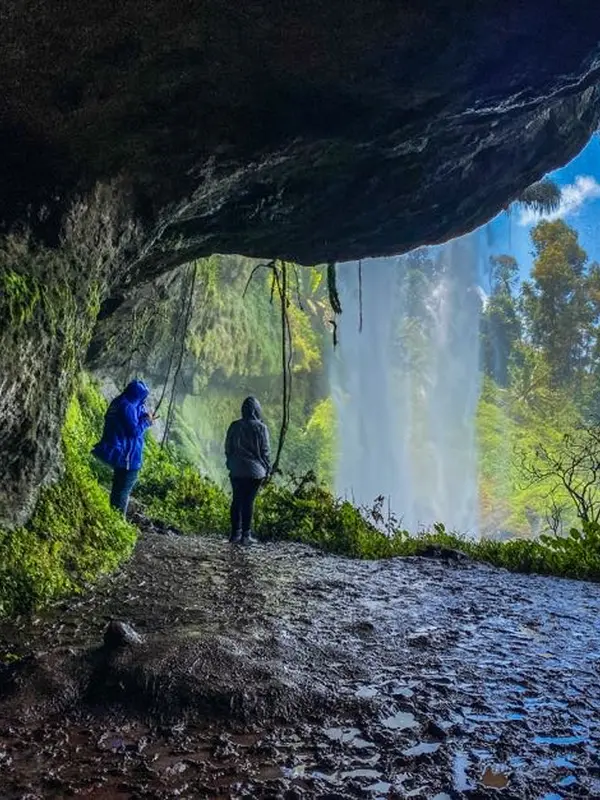
- Highlight: The trail winds along the cliff wall and behind the waterfall into a cave. There are natural pools here where you can swim or take a “natural shower.”
3. The Upper Fall (85m) – “Ngasire”
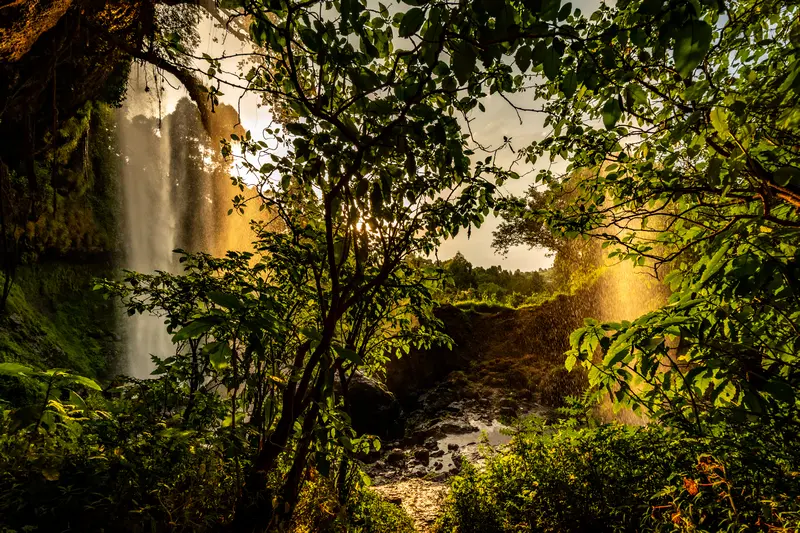
This is where the power of the Sipi River is most visible. At certain angles, the sunlight creates vibrant rainbows in the spray.
- Highlight: Witnessing the river disappear underground before emerging after 200m again. This is the most “off-the-beaten-path” fall.
Choose Your Adventure
We offer two main variations of the hike. Both routes are moderately challenging and go through local farms, hills, and valleys.
| Feature | The Classic Hike | The Ultimate Upper Loop |
| Experience | Visit all 3 Waterfalls | 3 Waterfalls + Top of the Upper Sipi Falls |
| Duration | 3-4 Hours | 5-6 Hours |
| Distance | 7-8 km | 10-12 km |
| Best for | Casual hikers & Photographers |
Nature enthusiasts & Elgon training |
| Views | Close-ups of all Sipi Falls | Panoramic views of Karamoja Plains |
| Foreigner Price |
$15 USD | $20 USD |
| Ugandan Price |
35.000 UGX | 55.000 UGX |
Why You Need a Local Guide
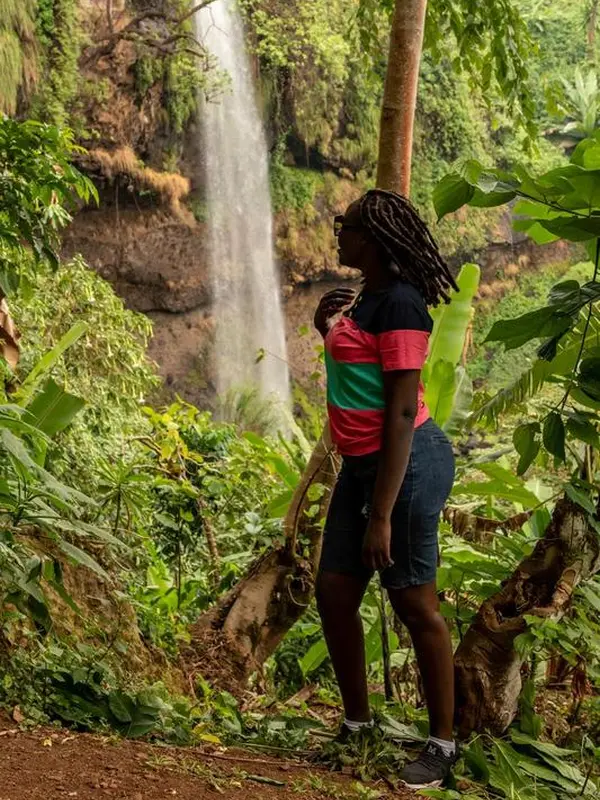
While some try to hike alone, Sipi’s trails are not marked. They are a web of community paths that change every time it rains.
- Safety: Bridges and paths can wash away; we know the safe detours.
- Access: Our routes go through private community farms. As local guides, we have the relationships to ensure you are welcomed.
- The Best Photos: We know the exact clifftops and “rainbow angles” for your camera.
- Stories: Without a guide, you miss the history of the caves and the “Sep” plant.
Choose Your Adventure
We offer two main variations of the hike. Both routes are moderately challenging and go through local farms, hills, and valleys.
Why You Need a Local Guide
While some try to hike alone, Sipi’s trails are not marked. They are a web of community paths that change every time it rains.
- Safety: Bridges and paths can wash away; we know the safe detours.
- Access: Our routes go through private community farms. As local guides, we have the relationships to ensure you are welcomed.
- The Best Photos: We know the exact clifftops and “rainbow angles” for your camera.
- Stories: Without a guide, you miss the history of the caves and the “Sep” plant.

Looking for a curated Sipi Falls experience?
We’ve taken the best of these activities and bundled them into easy, stress-free tour packages around the Sipi Falls. From budget-friendly hikes to the ultimate adventure itinerary, your perfect Sipi Falls experience is just a click away.
The Spirit of the Mountain: Culture & Nature
Why is it called “Sipi”?
Legend says British sightseers once asked a local lady the name of the falls. She was picking a wild plant used to treat measles and fever called “Sep” (a translucent green plant with crimson fronds). She thought they were asking about the plant and replied “Sep”—and the name stuck!
Meet the Sebei People
As we hike through the villages of Gamatui, you will experience the legendary hospitality of the Sabiny people.
- Local Life: See kids playing, farmers tending to Arabica coffee, and if you’re interested, we can stop at Mama Joy’s to taste the local beer made from corn and yeast.
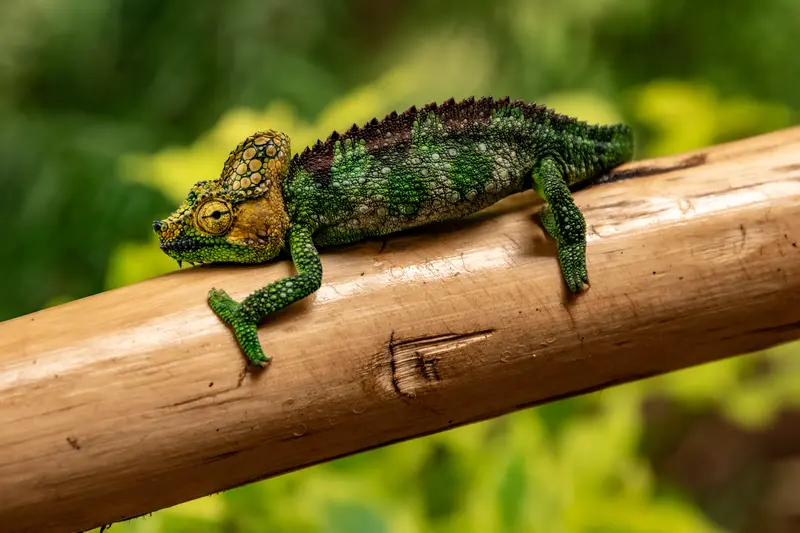
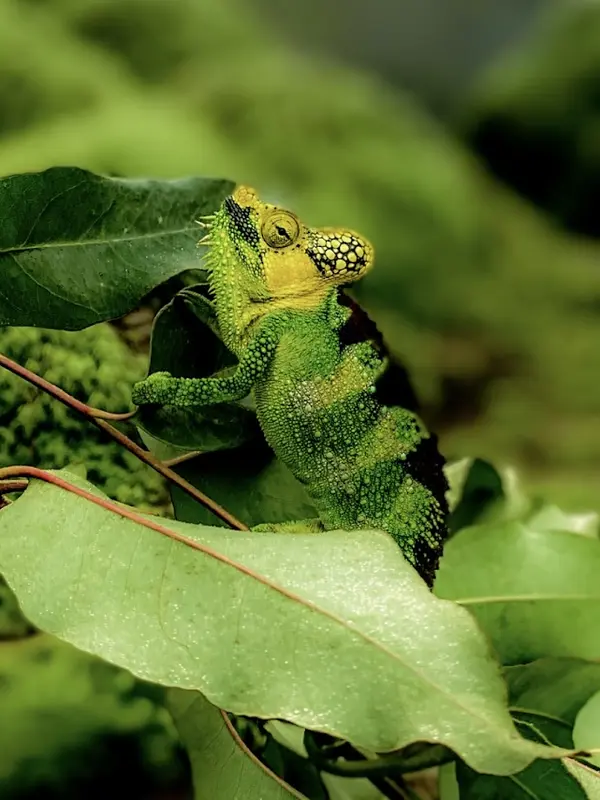
- Wildlife: Keep an eye out for monkeys at the bottom of the falls and chameleons in the coffee trees. (Note: We do not encourage the “Chameleon Boys” practice, as it disturbs the animals. We will find them for you naturally!)
Packing List & Pro-Tips for the Sipi Falls Hike
- Footwear: Comfortable hiking shoes or trail runners with good grip.
- Rain Gear: Do not let the morning sun fool you! It can rain at any time in the mountains.
- Swimwear: Bring a towel if you want to dip in the middle fall’s natural pools.
- Photography: Always ask your guide before photographing locals. We will help you ask for permission politely.
Planning Tip
The weather in the Elgon region can be unpredictable. Even in the dry season, a quick afternoon shower is common. It’s always best to schedule your high-adrenaline activities (like abseiling) for the morning and keep the coffee tours or sunset walks for later in the day.
Packing List & Pro-Tips for the Sipi Falls Hike
- Footwear: Comfortable hiking shoes or trail runners with good grip.
- Rain Gear: Do not let the morning sun fool you! It can rain at any time in the mountains.
- Swimwear: Bring a towel if you want to dip in the middle fall’s natural pools.
- Photography: Always ask your guide before photographing locals. We will help you ask for permission politely.
Planning Tip
The weather in the Elgon region can be unpredictable. Even in the dry season, a quick afternoon shower is common. It’s always best to schedule your high-adrenaline activities (like abseiling) for the morning and keep the coffee tours or sunset walks for later in the day.
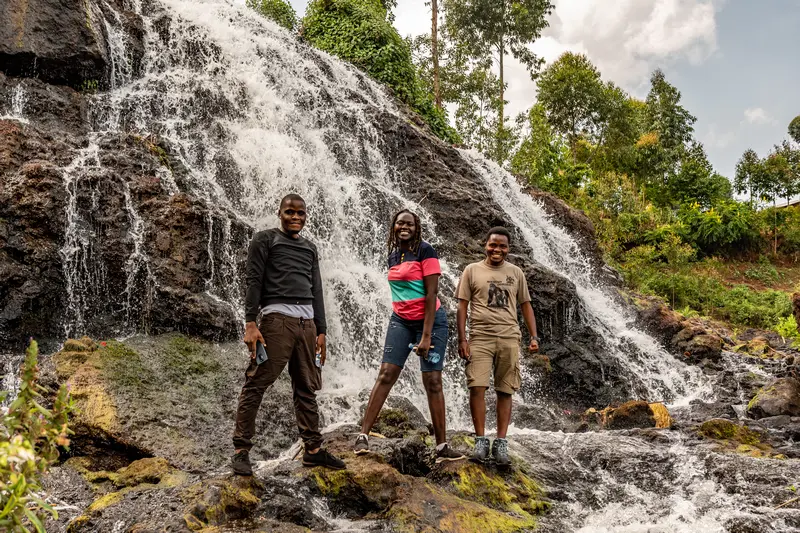
The “Hidden Treasure” & Deep History of Sipi Falls
The Geography of Sipi The Sipi Falls are located on the northwest slopes of Mount Elgon, an ancient volcanic caldera in Eastern Uganda near the Kenyan border. About 55km north of Mbale, this region—often called the “Eden of Uganda”—features a series of cliff-tops and rugged hills that provide a natural training ground for hikers. Scaling these cliffs prepares the body for high-altitude trekking on Wagagai Peak (4,321m) or the Rwenzori Mountains.
The Legend of the “Sep” Plant The name Sipi itself carries the history of the land. Derived from the “Sep” plant—a wild banana-like plant with translucent green fronds and crimson bolts—the river is the lifeblood of the community. Local legends tell of a misunderstanding between British sightseers and a local lady picking the medicinal “Sep” plant, which led to the name we use today. This plant remains a vital part of Sabiny culture, used for generations to treat fever and measles.
Cultural Immersion in Gamatui & Beyond
Walking through Sipi Village is an invitation into the lives of the Sebei people. As we descend through the villages of Gamatui, you’ll encounter the daily rhythm of mountain life:
- The Coffee Gardens: Most of the hike winds through private Arabica plantations.
- Local Hospitality: Expect warm greetings from children and the chance to visit Mama Joy’s house to see how traditional corn and yeast beer is brewed.
- The Sipi Wildlife: While not a traditional savannah safari, Sipi is home to monkeys near the gorge and the famous chameleons hidden in the coffee trees.
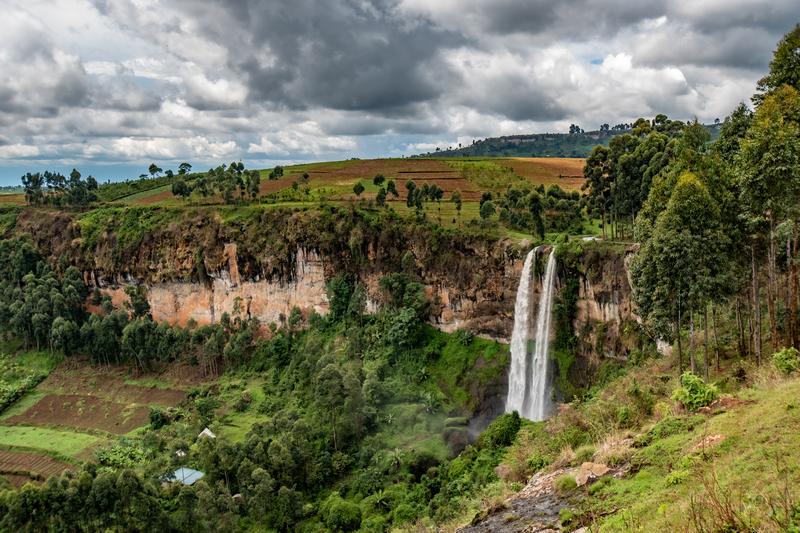
Sipi Falls is the hidden treasure of the East!
Cultural & Relaxing Activities
If you want to slow down and soak in the local atmosphere, these two options are the perfect “cool down” after a morning of hiking.
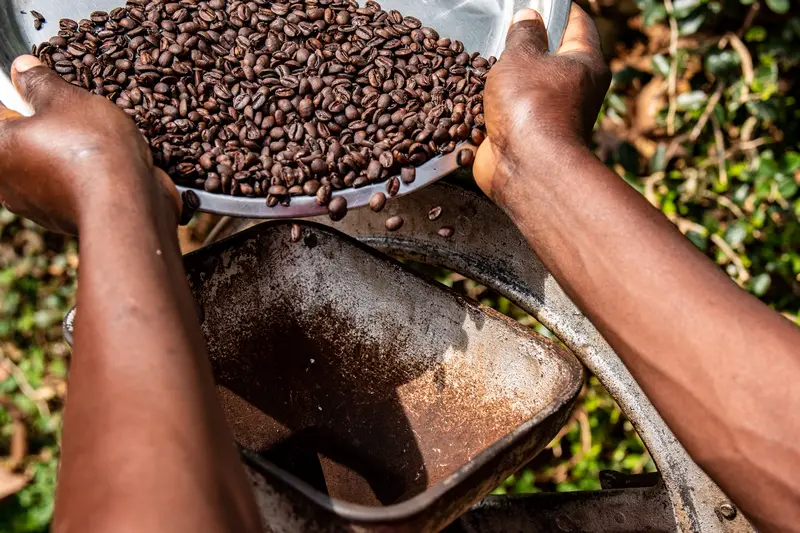
- Coffee Tours: This is a “farm-to-cup” experience. You’ll visit a local Sebei household, learn how to pick the beans, roast them over an open fire, and grind them with a traditional mortar and pestle.
- Sunset Walk: Usually taking place at a plateau overlooking the Karamoja plains, this walk offers a stunning panoramic view as the sun dips below the horizon.
Adrenaline & Adventure
For those who want to get their heart racing, the cliffs of Sipi provide some of the best natural playgrounds in East Africa.
- Abseiling: This is the “big one.” You descend 100 meters down the side of the main Sipi Falls, right next to the thundering water. It’s an exhilarating way to feel the spray of the falls.
- Rock Climbing: There are several bolted routes near the falls suitable for various skill levels. The basalt cliffs offer excellent grip and spectacular views.
Beyond the Main Falls
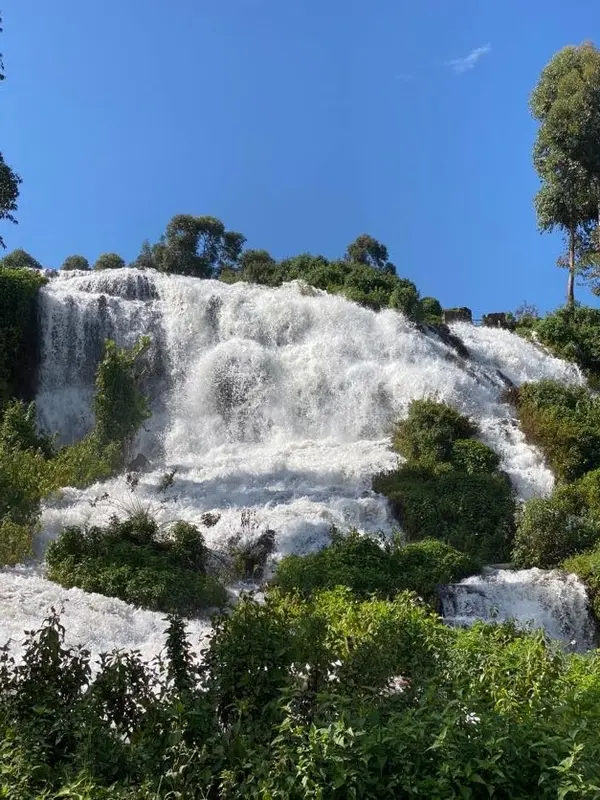
While the three main Sipi Falls get all the glory, the region is dotted with other hidden water features.
- Chebonet Falls: A quieter, more secluded alternative to the main tourist path. It’s perfect if you’re looking for a more “off-the-beaten-path” trekking experience.
FAQs
Do I need a guide for the Sipi Falls hike? Yes. The trails in Sipi are a network of community paths with no clear markings. Because bridges can wash away during the rainy season and paths often cross through private households, a local guide ensures you don’t get lost and respects the local “door-to-door” boundaries.
What is the best time to see the rainbows? On the upper 85m waterfall, the mist creates vibrant rainbows when hit by sunlight at specific angles. Our guides know the exact timing to ensure you get the most photogenic moments.
Is it safe to swim in Sipi Falls? While the main 100m fall is too powerful, the middle “Sandwich” fall has a series of natural pools at the top where the water is calm enough for a “natural shower” or a refreshing swim.
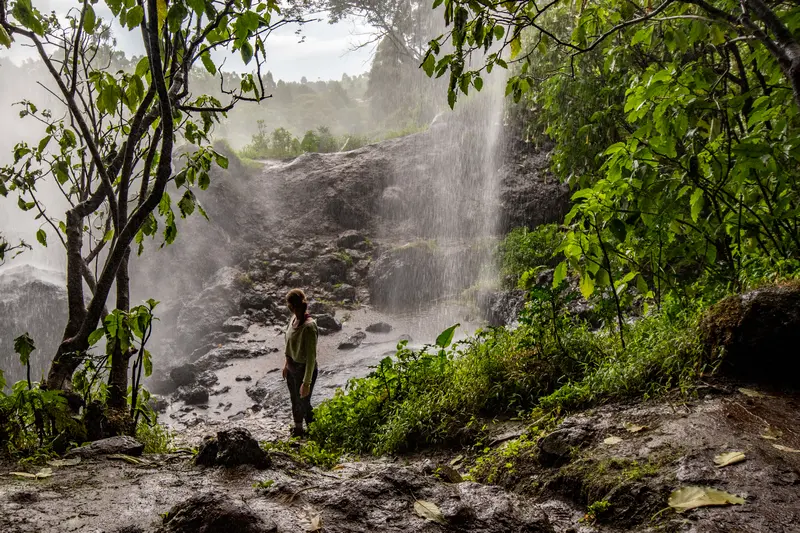

Discovering Sipi: Geography, History, and the 10,000 Shilling Note
The Landscape of Eastern Uganda Sipi Falls is located on the northwest side of Mount Elgon, approximately 55km north of Mbale in the Kapchorwa district. Nestled close to the Kenyan border, this region is a geographical masterpiece. The waterfalls are a primary feature of the Sipi River, which originates from the high-altitude springs of the Mount Elgon caldera.
The Legend of the “Sep” Plant The name of the falls is steeped in local Sabiny tradition. The word “Sipi” is derived from a local medicinal plant called “Sep” which grows abundantly along the riverbanks. This wild, banana-like plant with its translucent green fronds and crimson-red bolts is still used by locals today to treat ailments like measles and fever. According to local legend, the name was born when early British sightseers asked a local lady for the name of the falls; thinking they were asking about the plant in her hand, she replied “Sep”—and the name has defined the region ever since.
An Iconic Ugandan Landmark Sipi Falls is more than just a tourist attraction; it is a national treasure. The main 100-meter waterfall is so iconic that it is featured on the Ugandan 10,000 Shilling note. Visitors who hike with us have the unique opportunity to stand in the exact spot captured on the national currency, experiencing the thunderous sound and “healing mist” that makes this the most photogenic spot in the Sebei sub-region.